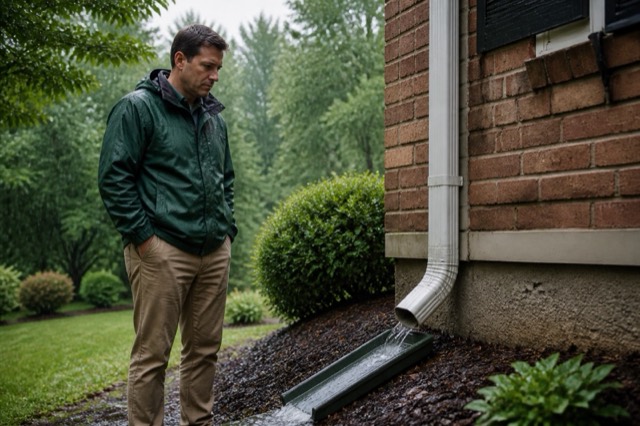
Home Maintenance
A Seasonal Home Maintenance Schedule You Can Actually Follow
A practical month-by-month home maintenance schedule covering leaks, HVAC, alarms, gutters, dryer vents, storms, and the records every homeowner should keep.
Home › Advice
Start with what you see, hear, or smell. Our guides explain the safe checks you can make, the signs that mean stop, and what to tell a qualified pro.
No exact guide yet. Try a shorter word such as “water,” “heat,” “roof,” or “pest.”
Three short guides that can make the next home problem easier.
A practical month-by-month home maintenance schedule covering leaks, HVAC, alarms, gutters, dryer vents, storms, and the records every homeowner should keep.

How to locate, label, and safely test your home's main water shutoff—and what to do first when a pipe, appliance hose, or fixture starts leaking.
Exact steps to check a contractor's license in Florida and California, what to check in Texas, and what license status values actually mean.
Protect people, stop damage, and know who to call.
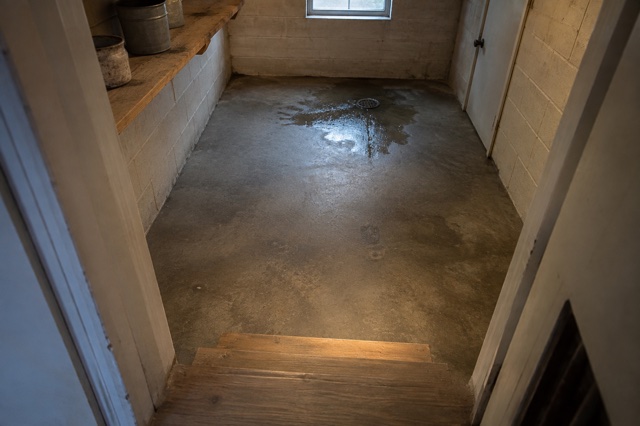
Sewage coming up a drain? Stop water use, stay out, and call for help. Make a photo and call record from a dry spot without delaying the response.
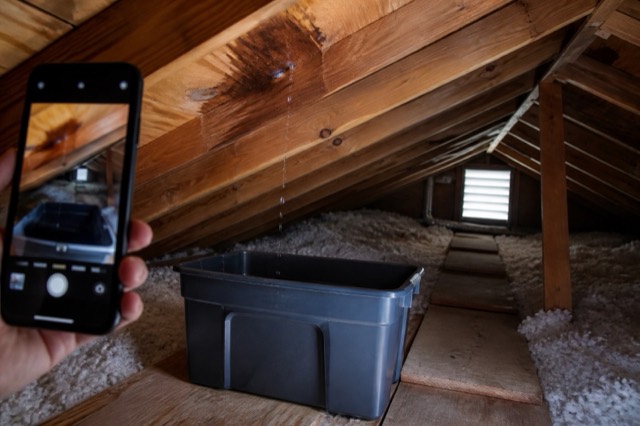
A safe roof-leak triage checklist for protecting people, containing water, documenting damage, avoiding unsafe access, and preparing the roofing and insurance calls.

A safe water-heater leak triage guide covering source observations, gas and electrical stop signs, documentation, containment, and the plumber handoff.
How to locate, label, and safely test your home's main water shutoff—and what to do first when a pipe, appliance hose, or fixture starts leaking.
Clear checks for airflow, filters, AC, and heat.
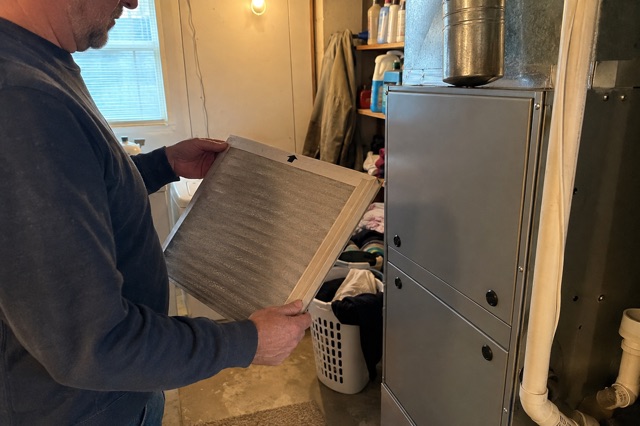
Safe checks for a furnace or heat pump that is not heating, plus the gas, carbon-monoxide, electrical, and cold-weather signs that mean leave or call now.
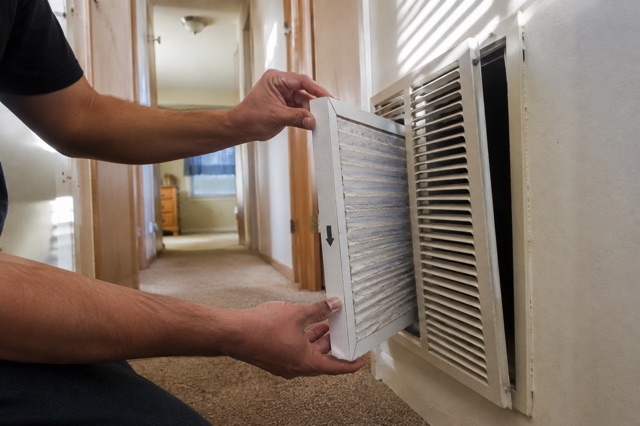
How to identify an HVAC filter, read its size and airflow arrow, document replacement, and recognize when repeated dirt or icing needs professional diagnosis.
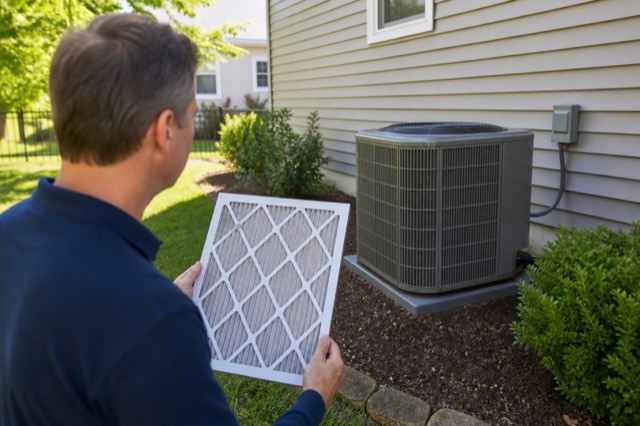
A safe homeowner checklist for an air conditioner that runs but does not cool, including filters, thermostat settings, breakers, drains, ice, and the stop-and-call line.
Find leaks, shut off water, and prevent more damage.
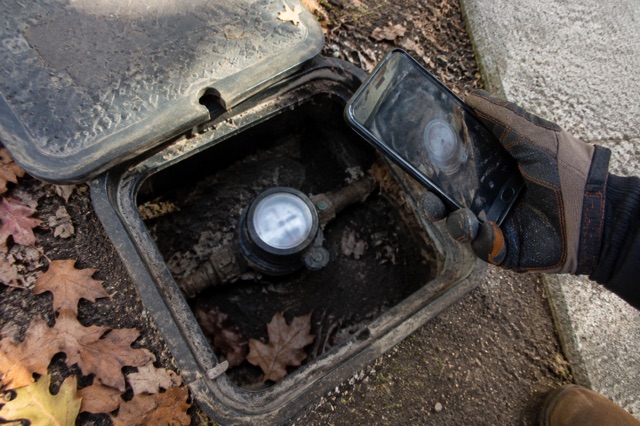
A step-by-step water-meter test for a suspected hidden leak, plus isolation checks, documentation, safety limits, and what to tell a plumber.
Handle warning signs before food, floors, or safety suffer.
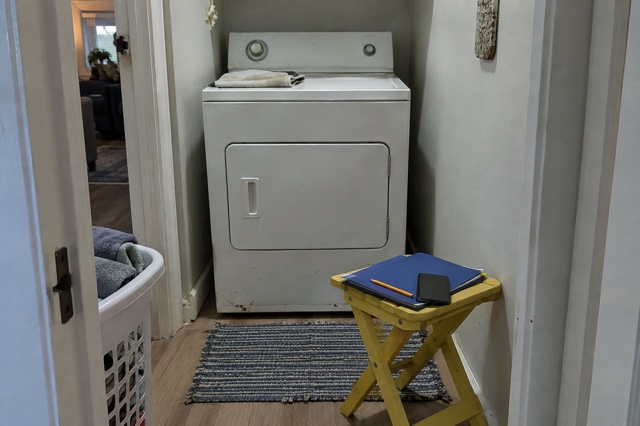
A four-fact worksheet for a broken appliance: check for a recall, then weigh age, the failure, parts, and safety risk against a written repair estimate.
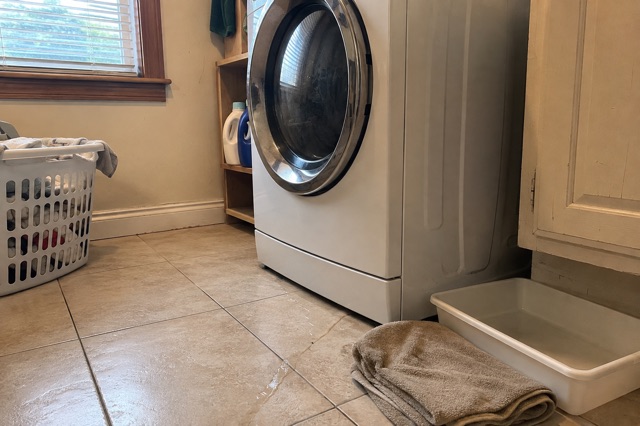
Stop a washing-machine leak safely, protect the floor, trace the highest wet point, and collect the facts a repair technician or plumber will need.

A food-safety-first checklist for a refrigerator that feels warm, including temperature, outage timing, door checks, food decisions, and the appliance-service handoff.
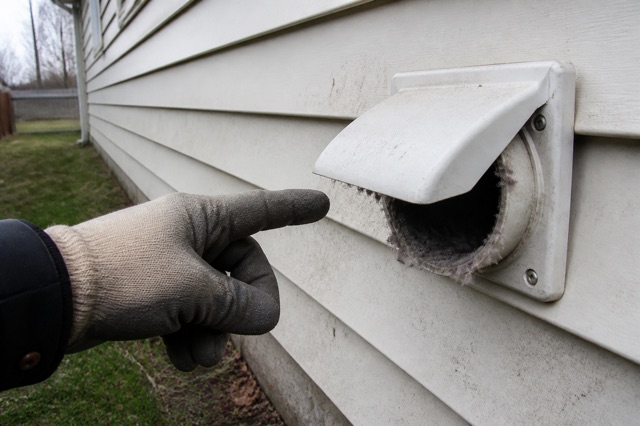
A safe checklist for long dryer cycles, hot clothes, lint buildup, crushed venting, and outdoor exhaust—plus the point where cleaning becomes qualified service.
Know the safe checks—and the signs that mean stop.
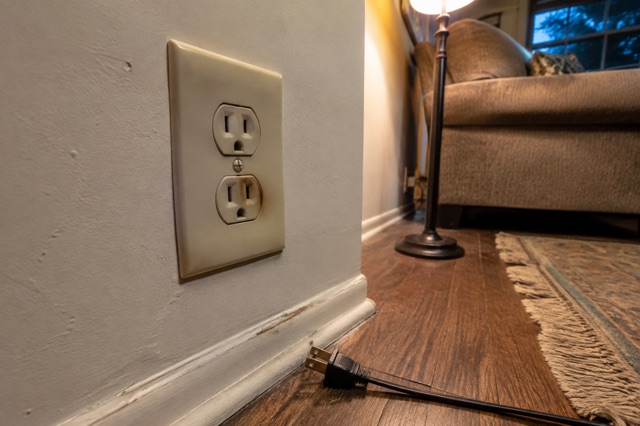
What a warm, buzzing, loose, or discolored outlet can mean, what not to touch, and the facts to give a qualified electrician.
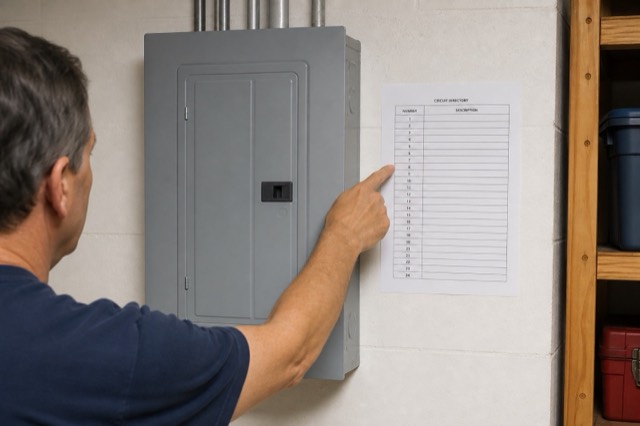
A conservative electrical-safety checklist for a tripped breaker: identify the circuit, reduce load, document the pattern, avoid panel work, and know when to call an electrician.

A room-by-room alarm checklist based on CPSC and U.S. Fire Administration guidance, with replacement dates and clear steps for a sounding alarm.
Identify signs and clean up without spreading the problem.
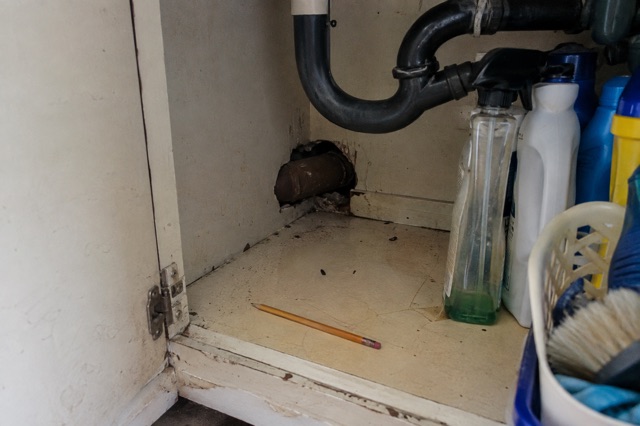
Use the CDC's pencil-width rule to find mouse entry gaps around pipes, cabinets, doors, vents, foundations, attics, and garages.
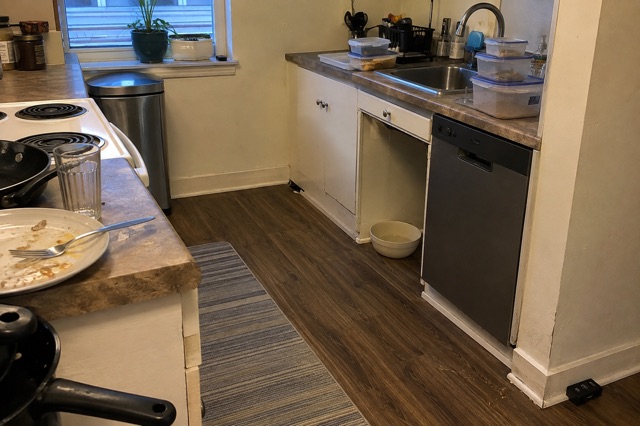
A plain integrated pest-management plan for indoor ants and roaches: identify, monitor, remove food and water, block paths, then choose targeted control.
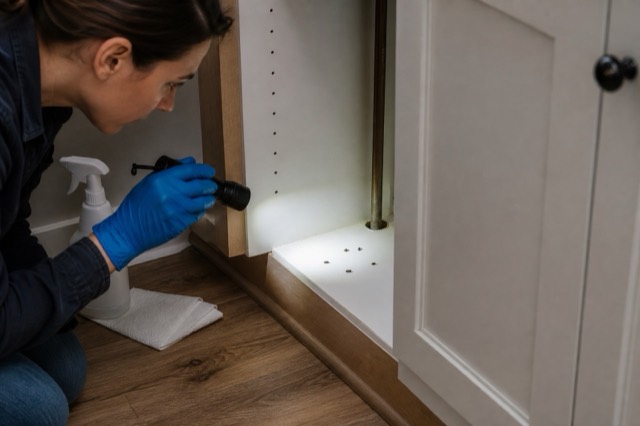
A CDC-led homeowner sequence for rodent droppings: ventilate, wet-disinfect, protect skin, bag waste, clean the area, and know when the job needs a professional.
Trace water, dry the area, and protect your home.
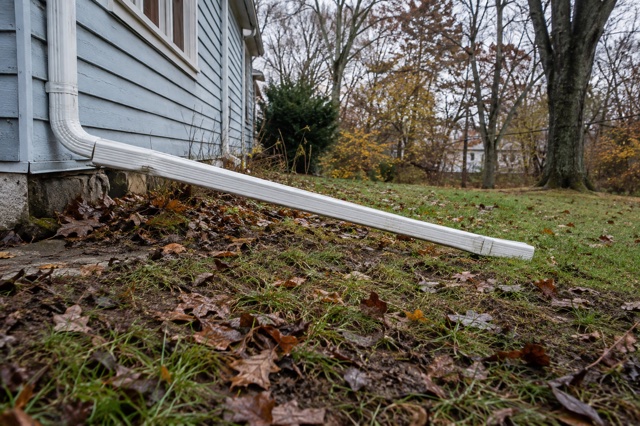
A ground-level check of gutters, downspouts, and soil slope, with weather limits and photos that help you discuss the next repair.
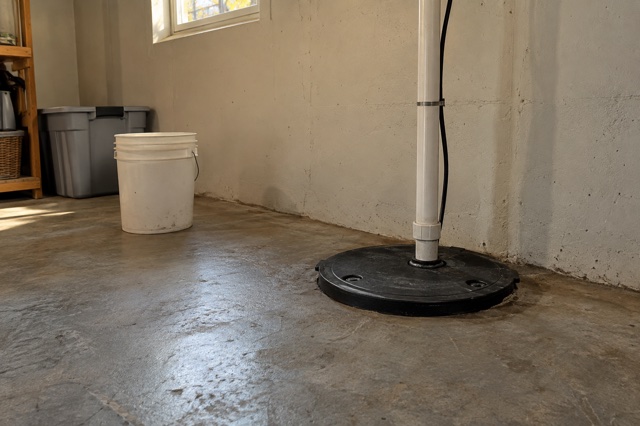
Start with your sump pump's manual. Check safe access, learn when to stop adding water, and record what happens without opening sealed covers.
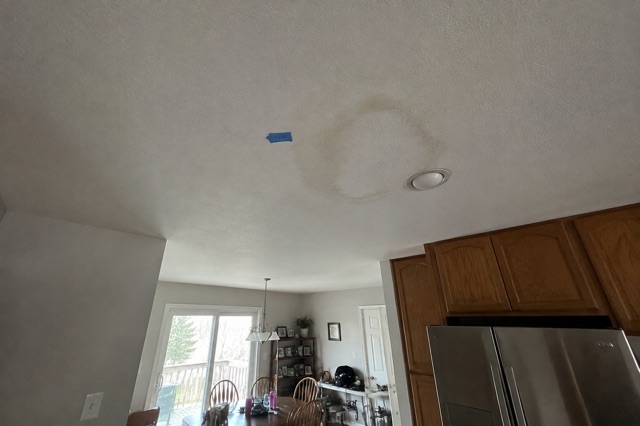
Use change, timing, touch-free clues, and photos to tell whether a ceiling stain may still be active—without puncturing or opening the ceiling.
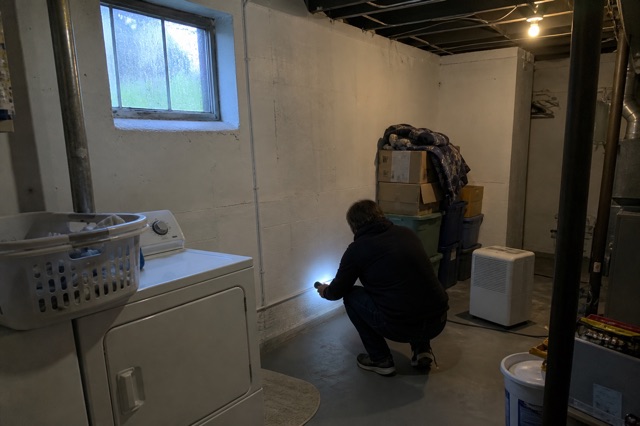
A safe room-by-room check for a musty odor when you cannot see mold, including leaks, humidity, hidden spaces, HVAC limits, and the call-a-pro line.
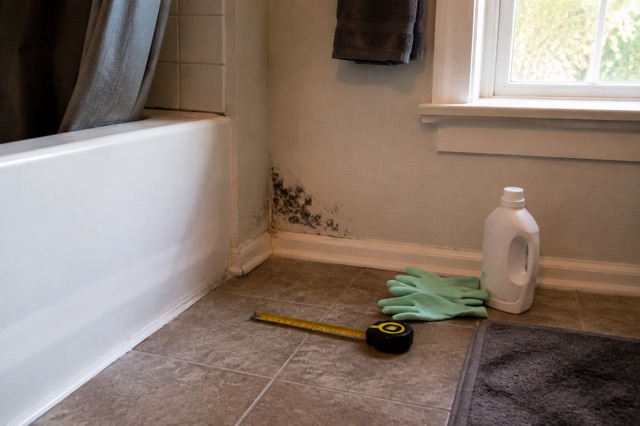
Use EPA's size guide and exception list to decide whether a small mold cleanup may be reasonable or the job needs an experienced professional.
Leaks, materials, quotes, repairs, and contractor checks.
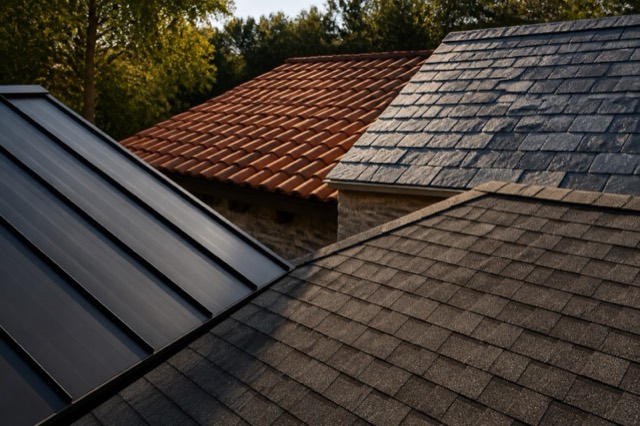
An honest comparison of metal and asphalt shingle roofs: lifespan, upfront cost, fastener types, insurance caveats, and when shingles win.
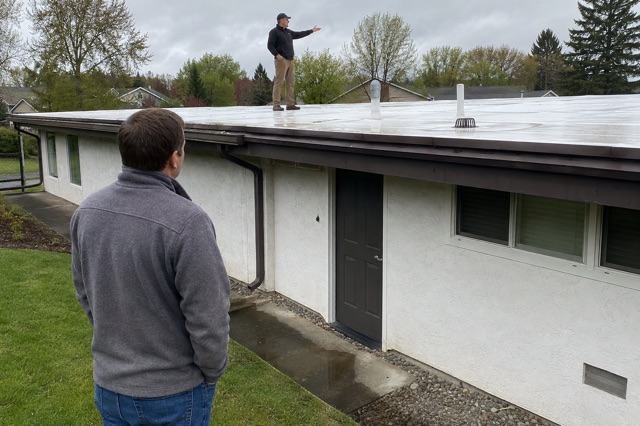
How TPO, EPDM, modified bitumen, and spray foam flat roofs differ, where each fits, and why low-slope work needs a specialist crew.
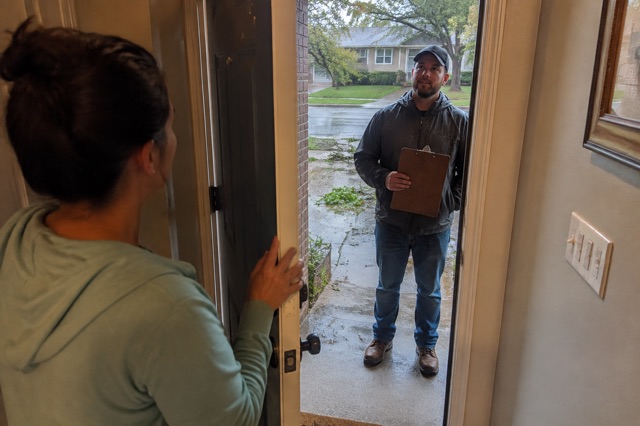
How out-of-town storm chaser roofers operate after a hurricane, how to verify a crew in 60 seconds, and what to do if you already signed.
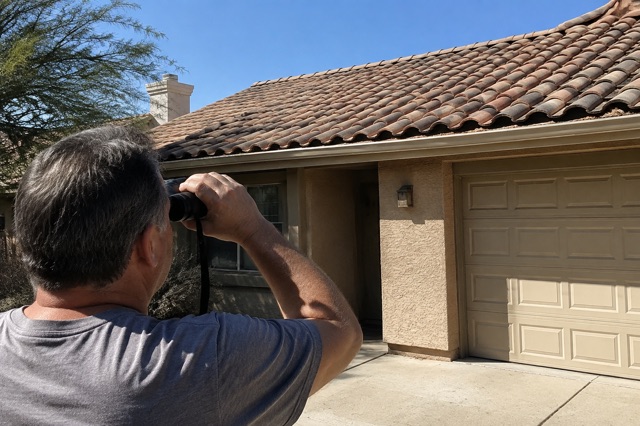
A tile roof maintenance schedule for homeowners: broken-tile triage, underlayment lifespan, moss control, and when repairs signal replacement.
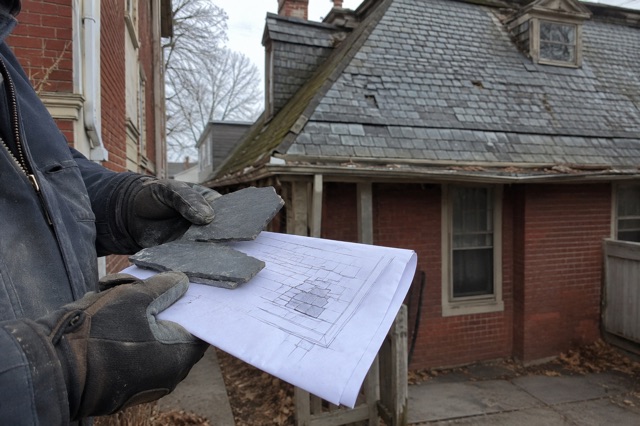
Slate roofs can outlast the people who install them — if repairs are done right. How to tell a real slate roofer from a shingle crew.

What a complete roofing quote should include, how to normalize three bids that describe different systems, and why the cheapest bid often costs more.
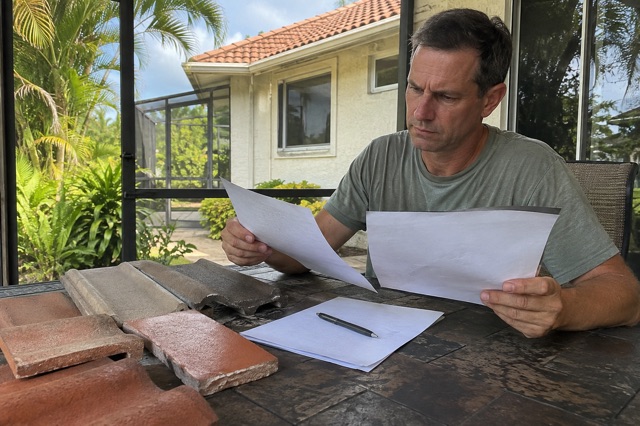
What to ask before hiring a tile roofer: TRIA training, structural weight checks, walking protocols, underlayment plans, and fastening methods.
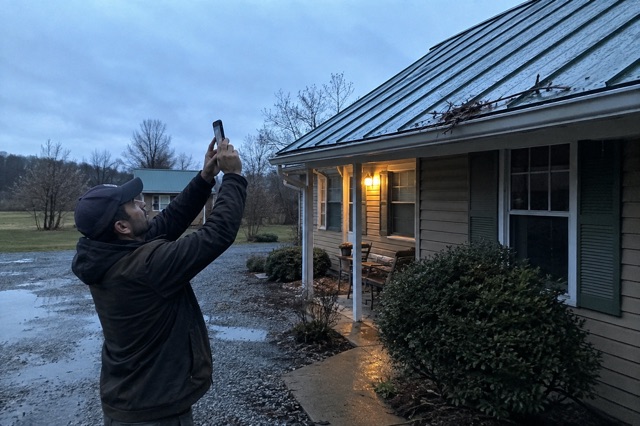
Metal roofs are low maintenance, not no maintenance. Fastener checks, debris, corrosion pairings, and coastal care explained in plain English.
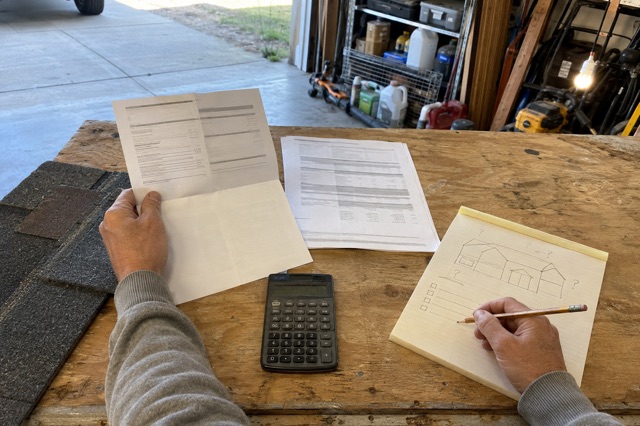
The red flags that predict a bad roofing job: storm chasers, oversized deposits, missing license numbers, insurance pitches, and lowball bids.
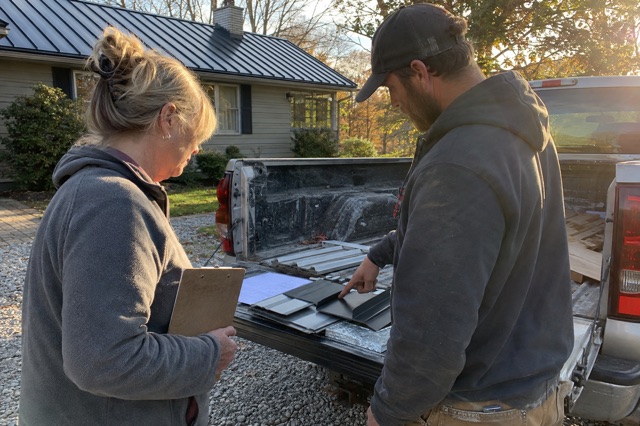
Metal roofs punish installation mistakes. Here's how to check a metal roofer's license, specialty evidence, and quote — before you sign anything.
Prepare openings, records, and insurance questions.
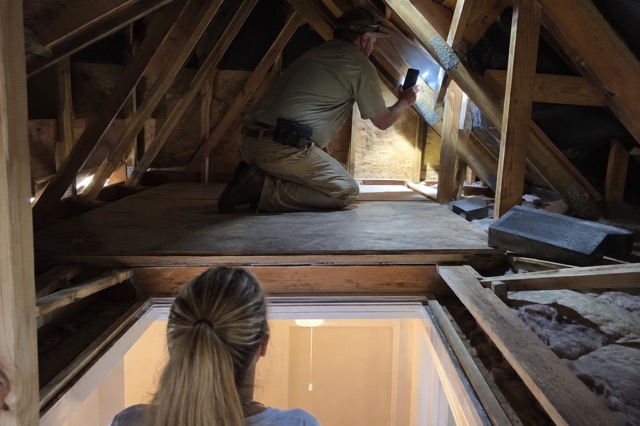
What a wind mitigation inspector looks for, how the weakest-opening rule works, and how to prepare so your report captures every credit you've earned.
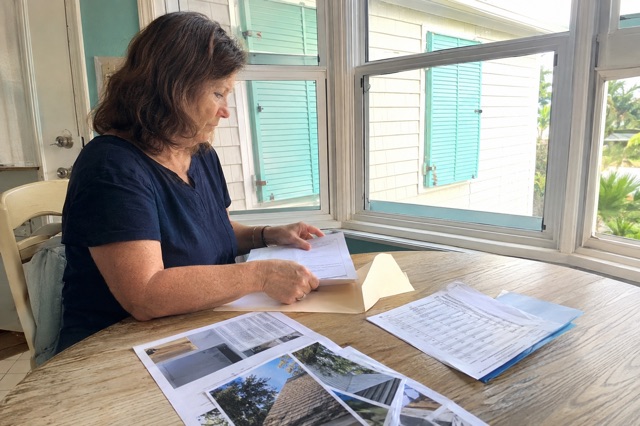
What the My Safe Florida Home program covers, how the free inspection and matching grant work, and how to apply without getting misled.
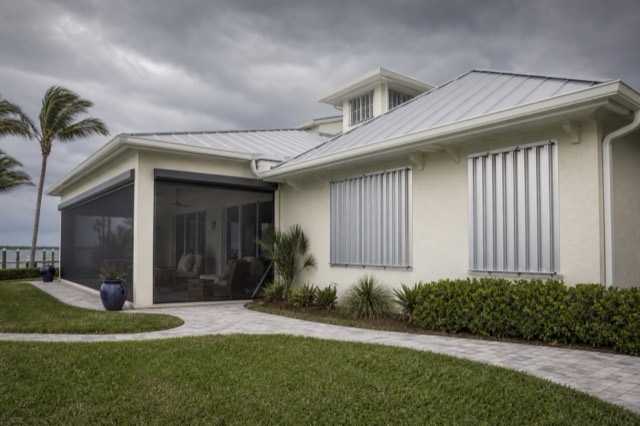
Fabric screens, roll-downs, accordions, and storm panels compared on deployment, cost tier, looks, and egress — plus how to verify approvals.
Check licenses, contracts, bids, and promises.
Exact steps to check a contractor's license in Florida and California, what to check in Texas, and what license status values actually mean.
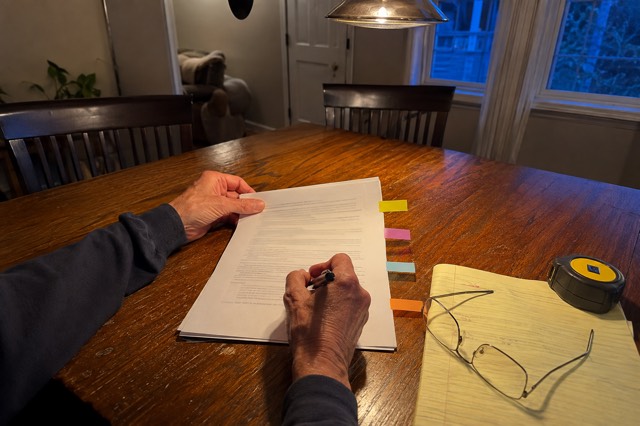
What a legitimate home contractor contract includes: license number, named materials, milestone payments, change orders, lien releases, and warranty terms.
Simple routines that catch small problems earlier.
A practical month-by-month home maintenance schedule covering leaks, HVAC, alarms, gutters, dryer vents, storms, and the records every homeowner should keep.
Document damage and understand the claims process.

How to document your roof before a storm, file a claim correctly, read the scope of loss, and avoid contractor referral-fee scams.
See what may cover a repair—and what probably does not.

Homeowners insurance, home warranties, product warranties, and workmanship warranties cover different things. Here's how to tell them apart.
Compare ways to pay without hiding the tradeoffs.
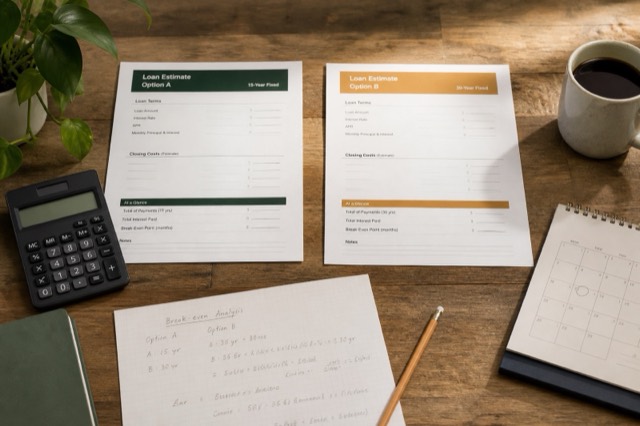
Cash, HELOC, home equity loan, contractor financing, personal loan, or insurance proceeds — how each works, what it costs you, and what to ask first.
Plan screens and shade structures before signing.
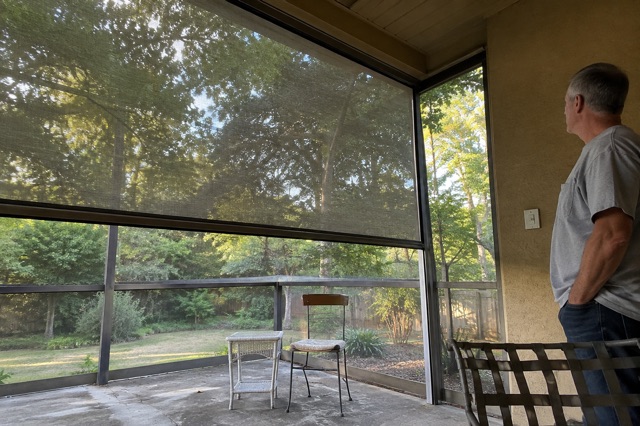
How motorized lanai screens work, which mesh to pick, wired vs. solar motors, sizing limits, and realistic cost ranges from published sources.

How louvered pergolas work, aluminum vs wood-look, attached vs freestanding, drainage, wind ratings, permits, and realistic cost ranges.
Month-by-month checklist for your state — roof, gutters, HVAC and more. Plus license-lapse alerts for contractors you're considering.
We don't sell your email address. See our privacy policy.