Home › Advice › How to Verify Any Contractor's License in 60 Seconds
How to Verify Any Contractor's License in 60 Seconds
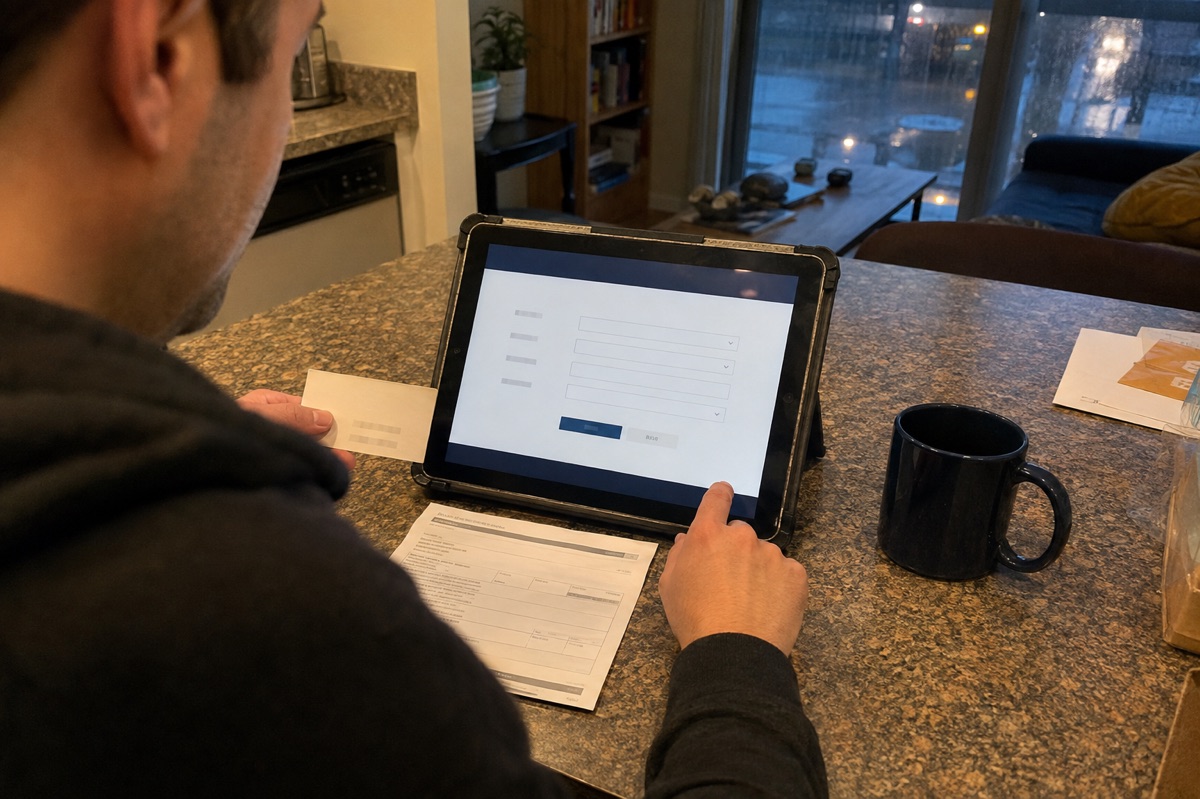
Most contractor disasters share the same first mistake: nobody checked the license. The check takes about 60 seconds, costs nothing, and filters out a large share of the people who will take your deposit and disappear, botch the job, or leave you holding liability for an injured worker.
Here is exactly how to do it in Florida, California, and Texas — and what the results actually mean.
Why the license check comes first
A state license does three things a business card cannot. It proves the contractor passed a competency exam or met experience requirements. It ties them to a bond or recovery fund in some states, giving you a path to compensation if things go wrong. And it gives regulators a record — complaints, discipline, and suspensions all show up in the same lookup.
An unlicensed contractor gives you none of that. In many states, hiring one can also void your insurance coverage for the work and leave you responsible for injuries on your property. The 60-second check is the cheapest insurance you will ever buy.
Florida: the DBPR lookup
Florida licenses contractors through the Department of Business and Professional Regulation (DBPR). The lookup is free and public.
- Go to the DBPR licensee search at myfloridalicense.com.
- Search by license number if the contractor gave you one. If not, search by the individual's name or the business name.
- Open the record and check four fields: license type, status, expiration date, and the qualified business name.
- Confirm the status reads Current, Active. Anything else — inactive, delinquent, suspended, null and void — means stop.
- Check the license type matches the work. A certified general contractor, a certified roofing contractor, and a registered specialty contractor have different scopes. A handyman registration does not cover a re-roof.
Florida distinguishes between certified licenses (valid statewide) and registered licenses (valid only in specific local jurisdictions). If the license is registered, confirm it covers your county or city.
California: the CSLB check
California's Contractors State License Board (CSLB) runs one of the most detailed public lookups in the country.
- Go to the CSLB license check at cslb.ca.gov.
- Search by license number, business name, or personnel name.
- Check the status line first. You want a current, active license with no pending complaints or disciplinary actions displayed on the record.
- Check the classification. California licenses by trade class — for example, C-39 for roofing. The class on the license must match the work you are hiring for.
- Scroll to the workers' compensation section. CSLB displays whether the contractor carries workers' comp insurance or has filed an exemption claiming no employees. If the record shows an exemption but the contractor shows up with a crew, that is a serious red flag — an injured worker without coverage can become your liability.
- Note the bond information. California contractors must carry a contractor's bond, and the record shows the surety and bond number.
Texas: no state roofing license — check these instead
Texas has no state license for roofing contractors. Anyone with a truck and a ladder can legally call themselves a roofer. That does not mean you have nothing to verify — it means you verify different things.
- RCAT credential. The Roofing Contractors Association of Texas offers a voluntary licensing program. It is not required by law, but a contractor who bothered to earn it has passed an exam and agreed to a code of ethics. Ask for the RCAT license number and verify it with the association.
- Insurance certificates. Ask for a current certificate of general liability insurance, issued directly to you by the insurance agent — not a photocopy from the contractor. Call the agent to confirm the policy is active. Ask about workers' comp; Texas does not require it, so many crews carry none.
- A verifiable local address. Storm-chasing crews that follow hail events across the state are the highest-risk category in Texas roofing. A contractor with a physical office in your area, a local phone number, and a history in your county has something to lose. A P.O. box and an out-of-state plate do not.
- Permits. Confirm the contractor, not you, will pull any required municipal permits. A contractor who asks the homeowner to pull the permit is usually hiding something — often the inability to pull one themselves.
- Some trades are still licensed. Texas does license electricians, plumbers, and HVAC contractors at the state level. If the job touches those trades, check the relevant state board.
What license status values mean
- Active / Current: authorized to work. This is the only acceptable answer.
- Inactive: the license exists but the holder cannot legally contract. Sometimes a retired contractor keeping the number alive. Not acceptable for your job.
- Delinquent / Expired: the renewal lapsed. Could be an oversight; could be a failed insurance or bond requirement. Do not proceed until it is current again.
- Suspended: disciplinary action or an unresolved requirement. Walk away.
- Revoked / Null and void: the board took the license or it terminated. Walk away and consider reporting anyone offering to work under it.
The name must match — everywhere
This is the step people skip, and it is where license fraud lives. The name on the license record must match the name on your contract, and the name on the contract must match the name on the insurance certificate and the permit.
A common scam is "renting" a license: an unlicensed operator quotes the job and signs the contract under their own company name while pointing to someone else's license number. If the licensed entity is not the entity you are contracting with, the license protects you exactly zero. If the names differ, ask why in writing — and be prepared to walk if the answer is vague.
The 60-second habit, summarized
- Get the license number before any site visit.
- Look it up on the official state site — DBPR for Florida, CSLB for California, RCAT plus insurance verification for Texas roofing.
- Confirm active status, matching trade classification, and matching business name.
- In California, confirm workers' comp coverage on the record.
- Match the license name to the contract name to the insurance certificate.
Do this before the first handshake and you will screen out most of the contractors who cause problems — before they ever set foot on your roof.
Quick answers
- How do I check if a contractor is licensed in Florida?
- Search the Florida DBPR licensee database at myfloridalicense.com. Search by name or license number and confirm the status shows Current, Active before signing anything.
- Does Texas require a roofing license?
- No. Texas has no state roofing license. Check for the voluntary RCAT credential, current liability insurance certificates, a verifiable local address, and confirm the contractor pulls permits where required.
- What does an inactive contractor license mean?
- Inactive means the license exists but the holder is not currently authorized to contract for work. Treat inactive, delinquent, suspended, and revoked statuses as disqualifying until resolved.
Keep your home plan moving
Get the free Seasonal Home Maintenance Schedule
Month-by-month checklist for your state — roof, gutters, HVAC and more. Plus license-lapse alerts for contractors you're considering.
We don't sell your email address. See our privacy policy.
Sources
- Licensee Search — Florida Department of Business and Professional Regulation
- Check a License — Contractors State License Board (California)