Home › Advice › Pests › Roaches or Ants Indoors? Start With an IPM Plan
Roaches or Ants Indoors? Start With an IPM Plan
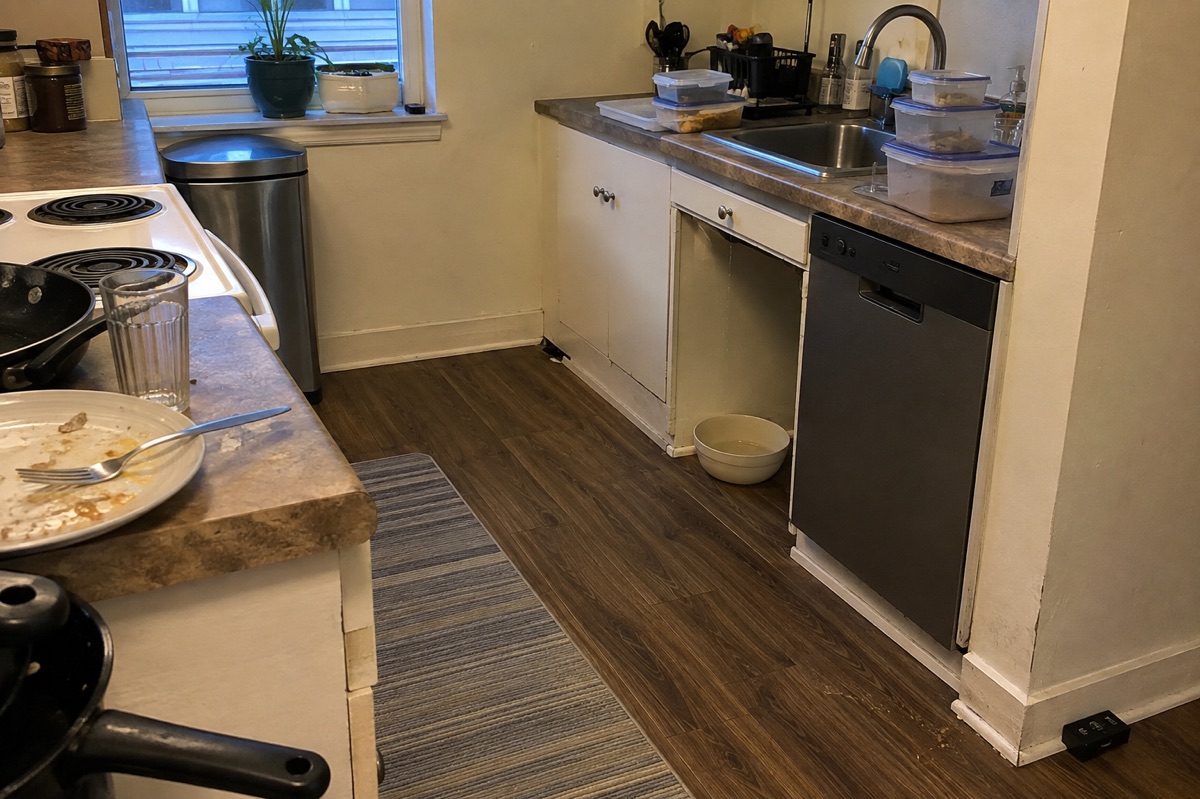
Seeing one roach or a line of ants can lead to a shelf full of sprays. EPA's integrated pest-management approach starts somewhere else: learn what the pest is using, remove those supports, and use control only where it adds value.
Step 1: identify before you treat
Ants and roaches are broad names. Different kinds nest and feed in different places. Take a clear photo or save one dead sample in a sealed container if you can do so safely.
Write down:
- the room and exact spot;
- time of day;
- how many you saw;
- whether they were near food, water, heat, cardboard, or a crack;
- where they went when disturbed.
Do not handle a pest with bare hands. If you cannot identify it, a local extension office or licensed pest professional may help.
Step 2: monitor the path
Place simple pest monitors where their label allows: along walls, under sinks, behind appliances, and near the place you saw activity. Keep them away from children and pets.
Number each monitor and check it on the same days. A dated count tells you whether the problem is falling, moving, or getting worse. One sighting does not tell you the size of a hidden problem.
Step 3: remove food
Clean crumbs and grease at the edge, not just the middle, of counters and floors. Wash dishes before food dries on them. Store pantry food and pet food in tight containers. Empty trash often and clean the bin.
Look under the stove and refrigerator only if you can do so without moving a heavy appliance. Cardboard and paper bags can add hiding spots, so move extra stacks out of damp or food areas.
This is not a judgment about a home's cleanliness. A few drops, crumbs, or shared-wall paths can support pests in a well-kept home.
Step 4: remove water
Dry the sink and counter at night. Fix a dripping faucet, wet cabinet base, sweating pipe, or appliance leak. Empty pet water only when it is safe and right for the pet.
If you find unexplained moisture, use the water-meter leak check or the musty-smell moisture walk. Water control can help with both pests and mold risk.
Step 5: block the routes
Seal small cracks at baseboards, cabinets, and pipe openings with a material made for that surface. Add door sweeps where light shows below an outside door. Repair torn screens.
Do not seal a needed drain, vent, weep path, hot flue, gas line clearance, or electrical opening. Shared-wall apartments may need the owner or building manager to address paths between units.
For larger gaps and rodent-sized holes, use the room-by-room mouse entry check.
Step 6: use a targeted control if needed
EPA says IPM uses a mix of methods and aims for the least hazard to people, property, and the environment. If you use a pesticide, read and follow the full label. The label tells you where, how, and how much to use.
Do not mix products. Do not use more than the label says. Do not place a product where a child or pet can reach it. Avoid treating food, dishes, toys, bedding, or surfaces the label does not allow.
A wide spray can miss the nest and scatter pests to new hiding spots. A licensed pro can identify the pest and choose a focused plan when the first steps are not enough.
For apartments, report the whole pattern
In a multi-unit building, pests can move through pipe paths, halls, trash rooms, and shared walls. Send the property owner or manager dated photos, monitor counts, leak notes, and the rooms involved.
Ask what will be done in nearby units and common areas. One treated apartment may not fix a building-wide source.
How to know the plan is working
Check the same monitors each week. Keep a short count. Note new sightings, water, food spills, and sealed gaps.
The goal is not just fewer pests for one night. It is less activity over time, fewer paths, and no easy food or water. If counts stay flat or rise after the basic steps, call a qualified pest professional and show the record.
Quick answers
- What is integrated pest management?
- EPA describes IPM as a set of common-sense steps that uses monitoring, prevention, and the least risky useful controls. It is not one spray or one trap.
- Why do ants or roaches keep coming back?
- They may still have food, water, shelter, or a path inside. A treatment may reduce the pests you see without fixing the condition that supports them.
- When should I call a pest professional?
- Call for a large or growing problem, pests in many rooms or wall voids, repeated treatment failure, unsafe access, a hard-to-identify pest, or a home where children, pets, or health risks make product use harder.
Keep your home plan moving
Get the free Seasonal Home Maintenance Schedule
Month-by-month checklist for your state — roof, gutters, HVAC and more. Plus license-lapse alerts for contractors you're considering.
We don't sell your email address. See our privacy policy.
Sources
- Integrated Pest Management Principles — U.S. Environmental Protection Agency
- Pest Control Resources for Housing Managers — U.S. Environmental Protection Agency