Home › Advice › Appliances › Repair or Replace an Appliance? Use Age, Failure, Parts, and Risk
Repair or Replace an Appliance? Use Age, Failure, Parts, and Risk
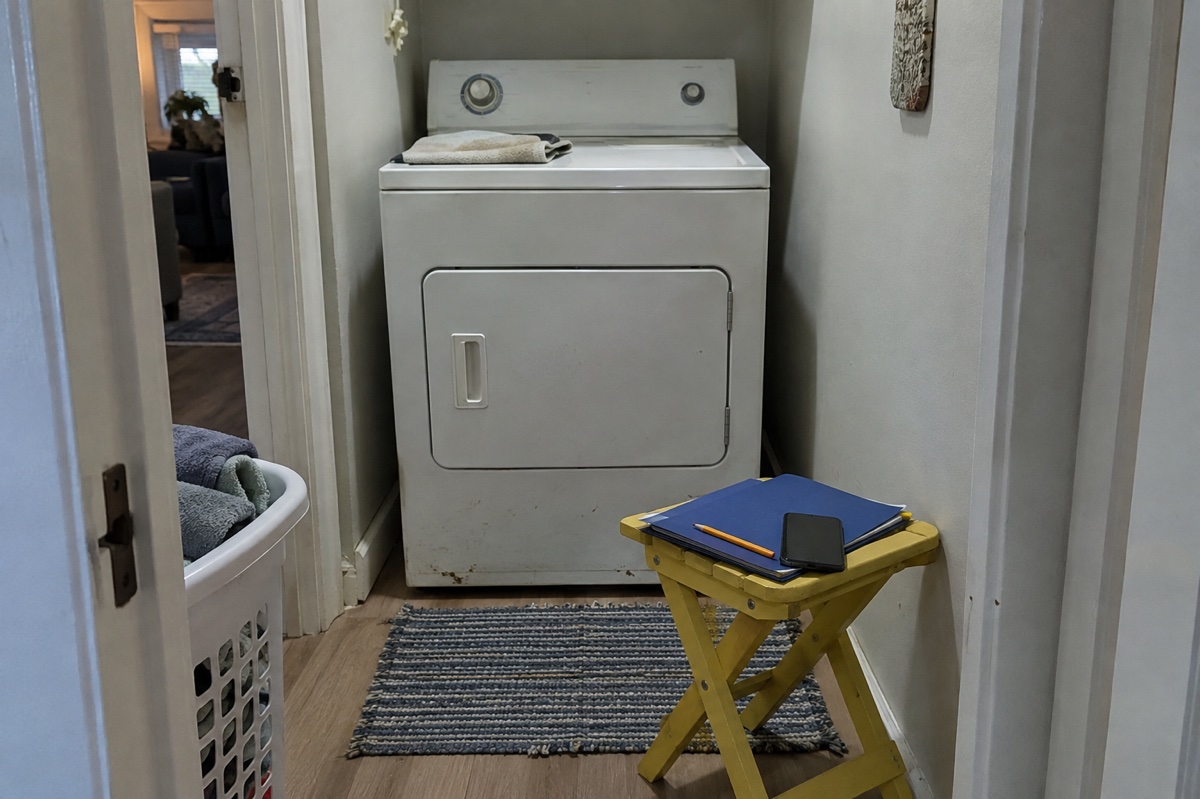
Do not decide from age alone, and do not decide from the repair price alone. Put four facts on one page: how old the appliance is, what failed, whether parts are available, and whether the failure is a safety risk. Then set the written repair estimate next to them. Before any of that, check whether the model is under a recall. A recalled appliance may get a free repair, a replacement, or a refund, and the notice may tell you to stop using it now.
Step one: check for a recall
Find the model number on a receipt, in your records, or on a label you can see safely. Do not remove a panel, reach behind a machine, or move a heavy appliance to find it. Ask the maker how to identify it if the label is hidden.
Search the CPSC recall list, then read the notice for your exact model. Remedies vary. Examples include a repair, refund, replacement, or new instructions; that is not the full list. Follow the notice's stop-use and remedy steps. Do not assume a free repair is offered just because a recall appears in the search.
Check before you pay for a repair. If you cannot tell whether your model is included, contact the maker through the notice. The specific remedy comes before an ordinary repair-versus-replace estimate.
Fact 1: age
Write down the year. Use the receipt, the manual, or the date on the serial label.
Age adds context; it is not a verdict. ENERGY STAR says an old refrigerator uses about 20 percent more energy on average than a model that has earned the label. That average is not a measured saving for your home.
The Flip Your Fridge calculator estimates your old unit's yearly cost from its type, model year, size, and electric rate. Enter the rate from your current bill. The tool says actual savings vary with use and upkeep.
For a new refrigerator, look at the yellow EnergyGuide label. It shows an estimated yearly operating cost and a range for similar models. The FTC says the cost is based on typical use and a national average energy price. Not every kind of appliance has this label.
An older machine may still be worth fixing. Find out what failed before you use its age as the reason to buy another one.
Fact 2: the failure
Write what happened in plain words. No cold. No spin. No heat. A leak. A noise. An error code. A tripped breaker.
Ask a technician to name the failed part in writing and explain how they found it. A noise or error code is a symptom, not a diagnosis. Ask whether the quote fixes the cause or only the symptom. A part's name alone does not tell you whether a repair will last.
If the problem is a warm refrigerator, protect the food first with the refrigerator warming guide. Other symptom-specific starting points are in the Appliances hub.
Fact 3: parts
Ask four questions. Is the part available? How long will it take to get? Is it new or used? Is there a warranty on the part and on the labor?
A long wait has a different impact on your only refrigerator than on a spare one. Record the actual quoted arrival date, not a guess. Ask whether the technician has fixed this model before and what happens if the part is delayed.
Fact 4: risk
Safety comes before price. The U.S. Fire Administration says to replace an appliance with a cracked, damaged, or loose cord. USFA also says never to use an extension cord with a major appliance because the cord can overheat and start a fire.
Stop using a machine if there is a burning smell, scorch mark, shock, water at an electrical connection, or repeated breaker trip. Do not touch a wet, hot, damaged, or sparking plug or outlet. A dry floor alone does not make unplugging safe. If there is fire, smoke, or active sparking, leave and call 911 from a safe place.
If the breaker keeps tripping when you use the machine, the fault may be outside the appliance. That guide explains when to call an electrician instead of a repair shop. Have any damaged outlet checked too; do not keep testing the machine on it.
Put the four facts next to the estimate
Fill in one line each:
| Fact | Your note |
|---|---|
| Age | Year bought or made |
| Failure | The part the technician named |
| Parts | Available, wait time, warranty |
| Risk | Signs observed, or no sign noticed; not a safety clearance |
| Repair estimate | Parts, labor, and trip fee, in writing |
| Replacement | Unit, delivery, install, haul-away, any new hookup |
First, resolve any safety warning with a qualified technician or electrician, and follow any recall notice. A warning sign does not by itself tell you which item to replace. The fault may be in the appliance, outlet, or circuit.
Once you have the diagnosis, compare the written repair quote with the full replacement cost. Weigh the wait, warranty, and disruption too. A small part does not guarantee a good repair; an expensive part does not by itself settle the choice.
If the diagnosis is unclear or the proposed work is costly, get a second estimate. Use the same facts for both quotes so you can compare the actual scope.
What to ask before you pay
Ask the repair shop for the diagnosis in writing, the part name, the parts and labor warranty, the total with the trip fee, and what happens if the part does not fix it.
Ask the store about delivery, install, and haul-away of the old unit. ENERGY STAR says many appliance retailers will pick up and recycle an old refrigerator when you buy a new one. Ask whether the new unit needs a new water line, vent, or outlet.
Check any home warranty or service contract you already have before you pay out of pocket. Then write the decision and the reason on the same page as the four facts. If the machine fails again in a year, that page tells you whether you already made this call once.
Quick answers
- Is there one rule for when to replace instead of repair?
- No single rule fits every machine. Use age, the failed part, parts availability, and safety risk together. Then compare the written repair estimate with the full installed cost of a replacement.
- Should I fix an old refrigerator or replace it?
- ENERGY STAR says an old refrigerator uses about 20 percent more energy on average than a certified model, and its calculator can estimate your unit's yearly cost. Energy is one fact. Weigh the failed part, parts availability, and any safety sign too.
- What if my appliance has a damaged cord?
- The U.S. Fire Administration says to replace an appliance that has a cracked, damaged, or loose cord. Do not tape it, and do not run a major appliance on an extension cord.
Keep your home plan moving
Get the free Seasonal Home Maintenance Schedule
Month-by-month checklist for your state — roof, gutters, HVAC and more. Plus license-lapse alerts for contractors you're considering.
We don't sell your email address. See our privacy policy.
Sources
- Recalls & Product Safety Warnings — U.S. Consumer Product Safety Commission
- Refrigerators — ENERGY STAR
- Flip Your Fridge Calculator — ENERGY STAR
- How To Use the EnergyGuide Label To Shop for Home Appliances — Federal Trade Commission
- Appliance and Electrical Fire Safety — U.S. Fire Administration