Home › Advice › Moisture Drainage › Small Mold Cleanup or Professional Help?
Small Mold Cleanup or Professional Help?
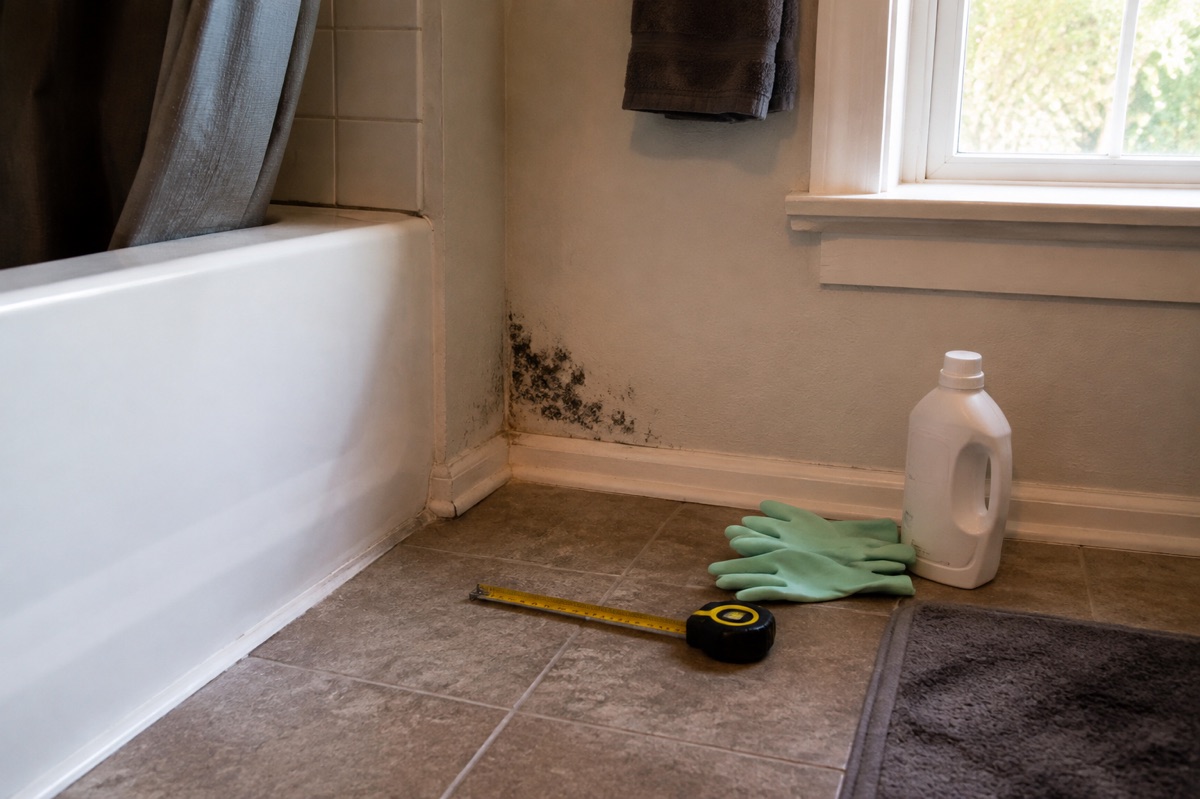
The patch may look small, but size is not the only question. The water source, the material, the kind of water, the HVAC system, and the health of the people in the home all affect the safe choice.
Start with EPA's size guide
EPA says a moldy area smaller than about 10 square feet—about a 3-foot by 3-foot patch—can often be cleaned by the homeowner.
That is a guide, not a promise that every small patch is simple. Add all nearby patches when you judge the area. Growth behind a wall may be larger than what you see.
Use professional help for these exceptions
Call an experienced mold or water-damage professional when:
- mold covers more than about 10 square feet;
- there was a lot of water damage;
- sewage or other dirty water was involved;
- mold may be in the HVAC system or near an air intake;
- the material is deep inside a wall, ceiling, crawl space, or duct;
- the area keeps returning after cleanup;
- safe access needs demolition, a ladder, or confined-space work;
- anyone has health concerns about doing or being near the cleanup.
EPA says people with health concerns should speak with a health professional before starting. Do not run an HVAC system that you know or suspect is contaminated with mold because it may spread material through the home.
Fix the water before cleaning
Mold grows where moisture is present. A cleaned wall will grow mold again if the leak, condensation, high humidity, or drainage problem stays.
Use the musty-smell moisture walk to trace the likely source. For a mark overhead, use the ceiling water stain guide. Stop a plumbing or appliance leak before cleanup begins.
Do not seal damp material with paint or caulk. EPA says to clean mold and dry the surface before painting.
Know what the surface can handle
EPA advises scrubbing mold from hard surfaces with detergent and water, then drying them fully. Porous items can be harder to save because growth can fill their small spaces.
Ceiling tile, carpet, insulation, soft drywall, and some fabrics may need to be removed. An item that is valuable or hard to replace may need a specialist.
Do not sand, scrape, or brush dry mold. That can spread dust. Do not mix bleach with ammonia, acids, or any other cleaner. Follow every product label for use, air flow, contact time, and protective gear.
A simple small-area plan
If the patch fits the EPA guide and none of the exceptions apply:
- Keep children, pets, and people who should not be exposed out of the work area.
- Fix or stop the moisture source.
- Read EPA's current cleanup page and the label on any product you plan to use.
- Wear the protective gear EPA and the product label call for.
- Clean a hard surface with detergent and water as EPA directs.
- Dry the area fully.
- Bag waste without carrying loose dust through the home.
- Check the spot again over the next days and after the next rain or water-use event.
Stop if the patch is larger than it looked, the material is soft, the odor grows stronger, or the source stays hidden.
Bleach is not the whole plan
The point is not to make the stain pale. The job is to remove the growth, fix the water, and dry the material. A strong chemical smell can also hide a musty odor for a time.
Never mix cleaning products. Use only a product allowed for the surface and follow its label. More product is not more protection.
What to ask a mold professional
Ask:
- How will you find and stop the moisture source?
- What area and materials are in the work scope?
- How will you keep dust out of the rest of the home?
- What will be removed, cleaned, or dried?
- How will you decide the work is complete?
- What training, insurance, references, and written plan can you show?
EPA suggests checking references and asking a contractor to follow recognized professional or government guidance. Do not accept a plan that starts with paint and skips the water source.
Keep the photos, moisture repair, cleanup scope, and check dates with your seasonal home record.
Quick answers
- How much mold can I clean myself?
- EPA says that, in most cases, a moldy area smaller than about 10 square feet—roughly 3 feet by 3 feet—may be handled by the homeowner. Size is only one factor, and EPA lists several reasons to use professional help.
- Can I paint over mold after it dries?
- No. EPA says not to paint or caulk moldy surfaces. Clean the growth, fix the moisture source, and dry the area before finishing it.
- Do I need a mold test before cleanup?
- Visible growth and a known moisture problem often make the first job clear: fix the water and remove the growth. Hidden, disputed, large, or complex problems may need an experienced inspector or remediation professional.
Keep your home plan moving
Get the free Seasonal Home Maintenance Schedule
Month-by-month checklist for your state — roof, gutters, HVAC and more. Plus license-lapse alerts for contractors you're considering.
We don't sell your email address. See our privacy policy.
Sources
- Mold Cleanup in Your Home — U.S. Environmental Protection Agency
- How Can I Tell If I Have a Mold Problem? — U.S. Environmental Protection Agency
- What Does Mold Smell Like? — U.S. Environmental Protection Agency