Home › Advice › Home Emergencies › Sewer Backup: Stop Water Use, Stay Out, and Call
Sewer Backup: Stop Water Use, Stay Out, and Call
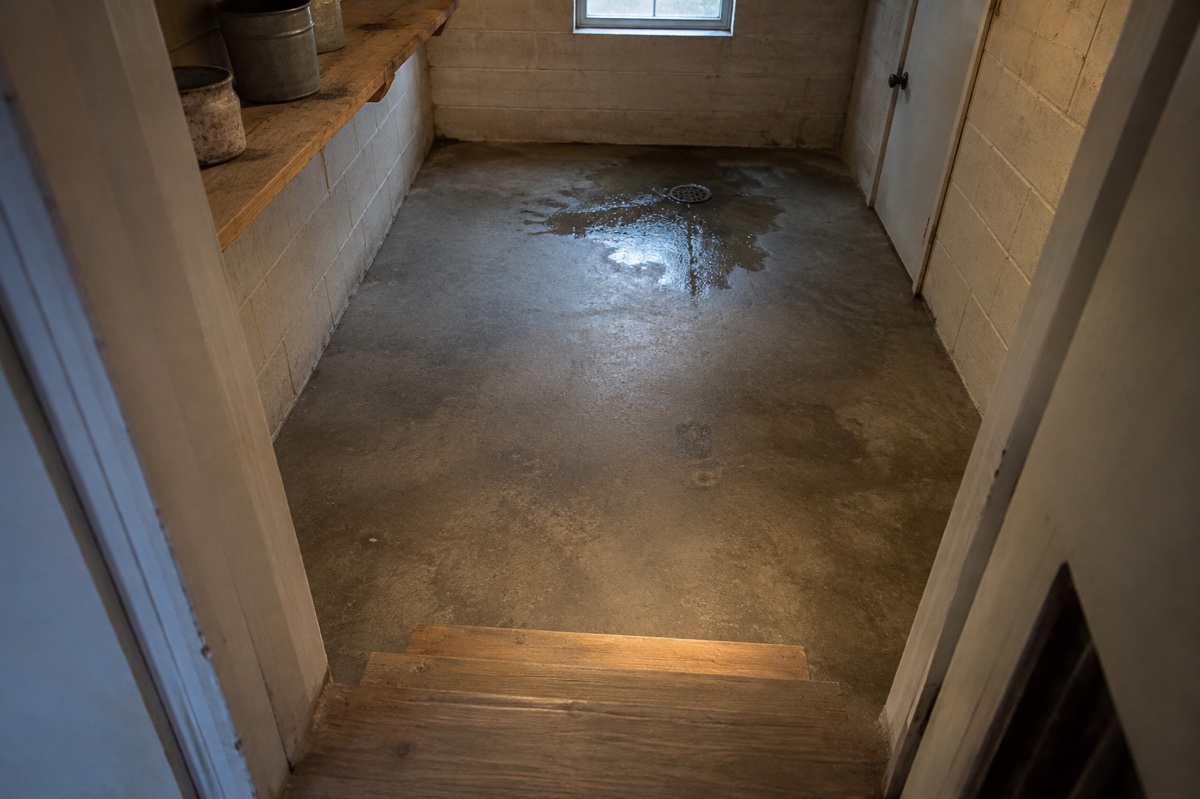
Dirty water is rising in the tub, shower, or floor drain. Stop water use now. Keep people and pets out. Do not touch the water or wade in to fix anything. From a safe, dry spot, call your sewer utility and a plumber. If your home has a septic system, call a septic service instead of a sewer utility. Photos can wait; do not delay help to take them. EPA says sewage cleanup calls for a trained professional.
Stop adding water to the drains
A blocked sewer line can send wastewater back through a drain or fixture. Annapolis Utilities tells owners to stop water use during a backup. Water added to a blocked shared line can make the overflow worse.
Tell everyone to stop using sinks, toilets, showers, and water appliances until the line is clear. If a washer or dishwasher is mid-cycle, stop it only if you can reach the controls without stepping in water.
Do not add a chemical drain cleaner. Poison Control warns that corrosive cleaners can burn skin and can splash back from a blocked drain. If you already used one, tell the plumber the product name. Do not reach in to retrieve the bottle.
Treat it as sewage, not a puddle
EPA says sewer overflows carry germs that can make people sick. CDC's cleanup guidance lists rubber boots, rubber gloves, and goggles when sewage is involved.
Protective gear does not make this a safe do-it-yourself job. Your task right now is to stay out, not to mop.
Keep children and pets away from the area until cleanup is done. If the water touched your skin, wash with soap and clean water as soon as you can. Wash clothes that touched it in hot water with detergent. Keep any open cut away from the water.
Power and the wet floor
Water on a basement or laundry floor may reach an outlet, a cord, a water heater, or a furnace. CDC says never turn power on or off, and never use an electric tool, while you stand in water.
CDC allows main-power shutoff from a dry location. Do not touch a panel that is wet, hot, damaged, or sparking. If access is unsafe or you are unsure, keep away and call an electrician. Have flood-affected electrical equipment checked before power is restored.
Do not unplug a wet appliance. Do not reach into the water to save a rug or a box. If you see fire, smoke, or active sparking, leave and call 911 from a safe place.
Build the photo set without stepping in
Only from a safe, dry spot, take a wide photo of the room, then the drain and the items you can see. Note the time. Skip any view that would put you near a hazard.
Call for help before trying to complete a photo set. Do not step in for a better angle. If it is safe later, add photos after the water stops rising and after it drains away. These can help show the plumber and insurer how high the water got.
Tell the right service what you saw
A backup can start in your own house line or in the public sewer main. You cannot tell which one from the drain.
For a home on public sewer, report the backup to your local sewer utility. Ask about known main-line problems and who checks the house line. Arrange a plumber as needed; local responsibilities vary. For a septic system, tell the septic service which fixtures are affected. Do not open a tank or cleanout yourself.
Tell each of them the same facts: which drain, when it started, whether it is still rising, and what was running in the house at the time. EPA lists the common causes of a backup: grease, wipes sold as "flushable," tree roots, storm water leaking into the sewer, and equipment failures.
What the cleanup rule says
EPA says a basement that floods with sewage must be fully cleaned and disinfected. It also says rugs, curtains, flooring, wallboard, and upholstered furniture that touch sewage usually must be replaced.
EPA's mold guidance says to call a professional with experience cleaning buildings damaged by contaminated water. CDC says to throw away anything you cannot clean or dry quickly. Its list includes mattresses, carpet, carpet padding, stuffed toys, pillows, books, and paper products.
Ask the cleanup company how they will disinfect, what they will remove, and how they will dry the space. Report a lingering musty smell or dampness promptly after cleanup. The musty-smell moisture check helps you record the signs; it does not replace sewage cleanup. Find other urgent stop-and-call guides in Home Emergencies.
Ask what caused it before you close the file
Once the line is clear, ask the plumber to name the cause in writing. Roots, a broken pipe, and grease each need a different fix.
Ask about a backwater valve. The Insurance Information Institute says a backwater valve lets sewage flow out but not back in.
Then read your policy. III says some policies cover sewer and drain backups, but many do not. A sewer backup rider may be available. Ask your agent. Do not assume.
Keep the photos, utility report number, plumber's cause note, and cleanup invoice with your home record. Also know your main water shutoff. It stops incoming supply water, not flow from a backed-up public sewer main. Keep the case open until the cause and cleanup plan are clear.
Quick answers
- Can I clean up a sewer backup myself?
- EPA says to call a professional with experience in buildings damaged by contaminated water. CDC says to wear rubber boots, rubber gloves, and goggles if sewage is involved, and to throw away items you cannot clean or dry quickly.
- Can I keep using the upstairs toilet during a backup?
- Stop water use until the utility or plumber says it is safe. Water sent into a blocked shared line can back up through another fixture. Do not test the line by flushing again.
- Does homeowners insurance pay for a sewer backup?
- The Insurance Information Institute says some policies cover sewer and drain backups, but many do not, and a sewer backup rider may be available. Read your policy and ask your agent. Do not assume.
Keep your home plan moving
Get the free Seasonal Home Maintenance Schedule
Month-by-month checklist for your state — roof, gutters, HVAC and more. Plus license-lapse alerts for contractors you're considering.
We don't sell your email address. See our privacy policy.
Sources
- Sewage Backup Information — City of Annapolis Utilities Division
- What Is in Drain Cleaner? — National Capital Poison Center
- Guidelines for Cleaning Safely After a Disaster — Centers for Disease Control and Prevention
- Safety Guidelines: Reentering Your Flooded Home — Centers for Disease Control and Prevention
- Safety Guidelines: Floodwater — Centers for Disease Control and Prevention
- Sanitary Sewer Overflow (SSO) Frequent Questions — U.S. Environmental Protection Agency
- Mold Cleanup in Your Home — U.S. Environmental Protection Agency
- How to Protect Your Home From Water Damage — Insurance Information Institute