Home › Roofing › Cost Guides › Tile Cost
Tile Roof Cost: What the Published Data Says
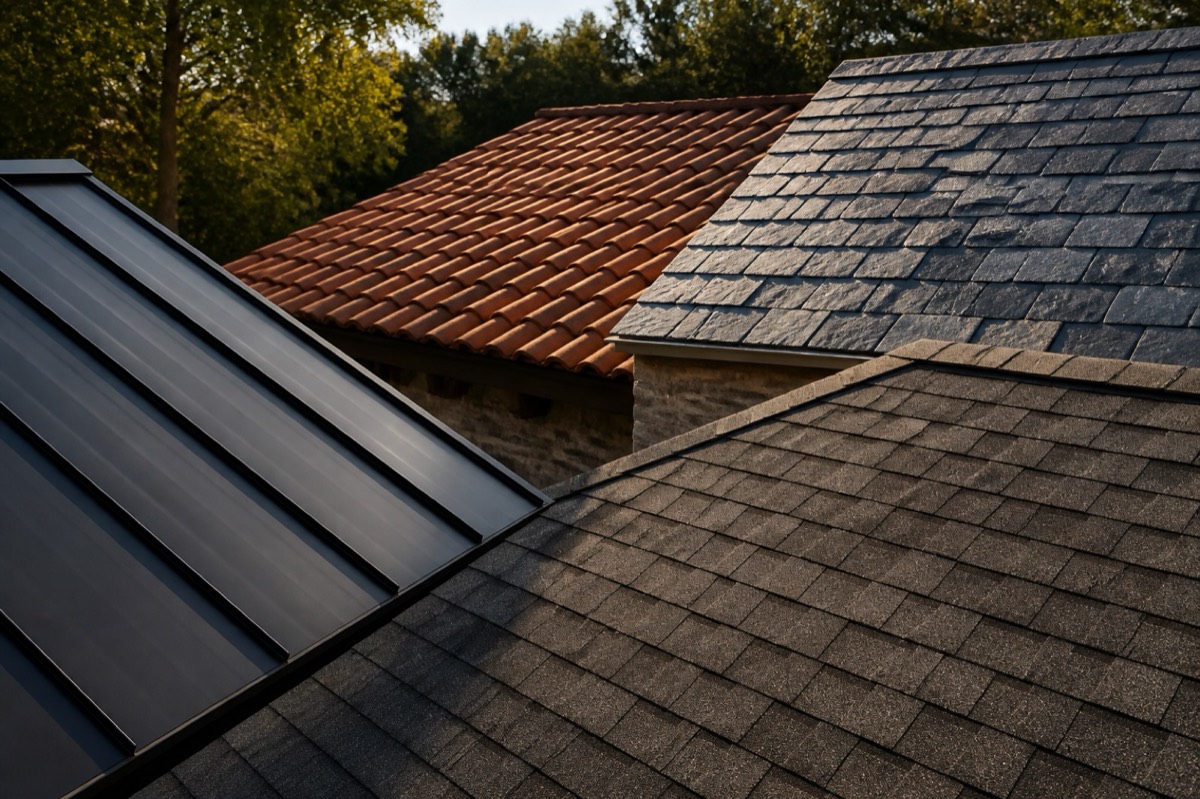
Tile roofing quotes hide a split most homeowners never hear about: clay versus concrete. Clay is the premium material class — colorfast, longer-lived, and heavier on the wallet; concrete tile imitates the look at a lower price tier but weathers differently and can fade. The bigger surprise comes years later: the tile itself can outlast the house, but the underlayment beneath it cannot. Many 'tile reroofs' are really underlayment replacements done under your existing, reusable tile.
Why no dollar figures here: we only publish costs we can cite to a named, current source, and no publisher currently reports tile costs at that standard. The factors below tell you what actually drives the quote — and the fastest truth is three local quotes.
What drives the price
- Clay versus concrete: clay sits in the premium tier for material and longevity; concrete buys the look for less but weathers and fades differently.
- Structural capacity: switching from shingles to tile requires an engineering evaluation, and any needed framing reinforcement is its own line item.
- Underlayment specification: the membrane under the tile is what actually keeps water out — a cheap underlayment under expensive tile is money spent in the wrong place.
- Attachment method: foam-set adhesive versus mechanical fastening (screws, clips) changes labor, wind performance, and how the roof is serviced later.
- Lift-and-relay versus full replacement: if your existing tile is sound, reusing it and replacing only the underlayment is a very different job than buying all-new tile.
- Hip and ridge detailing: these edges take the worst wind uplift, and the mortar or mechanical systems used there add specialist labor.
- Roof complexity and access: tile is slow, heavy work — cut tiles at valleys and dormers, staging for the weight, and careful foot traffic all add hours.
Lifespan, weight, and performance
Lifespan: Quality clay tile routinely lasts half a century or more, and concrete tile isn't far behind — but the waterproofing layer underneath doesn't. Underlayment typically wears out in two to three decades, which means a tile roof usually needs at least one lift-and-relay in its life: tiles come off, new underlayment goes down, the same tiles go back on.
Structural weight: Tile is one of the heaviest roofing materials you can put on a house — several times the load of asphalt shingles, with concrete generally heavier than clay. If you're switching from shingles to tile, a structural evaluation by an engineer is required, not optional. Framing built for shingles was never designed to carry tile.
Weather performance: Tile shrugs off sun, salt air, and fire — the reasons Florida and California love it. Its weaknesses are mechanical: individual tiles crack under foot traffic, so every satellite installer or careless inspector is a repair risk, and hips and ridges are the first places wind uplift pries tiles loose. Attachment method and edge detailing decide how a tile roof survives a storm.
Common questions
- My tile roof is leaking but the tiles look fine — do I need a whole new roof?
- Often no. Tile is the armor; the underlayment beneath it is the waterproofing, and it wears out decades before the tile does. A lift-and-relay — remove the tile, install new underlayment, reinstall the same tile — is a common and legitimate repair path. Get bids for both options and make each contractor justify which one your roof actually needs.
- Can I put tile on a house that currently has asphalt shingles?
- Only after a structural evaluation. Tile weighs several times what shingles do, and framing built for shingles wasn't designed for that load. A licensed engineer's assessment — and any reinforcement it calls for — comes before any tile quote is worth signing.
- Is foam-set or mechanically fastened tile better in high-wind areas?
- Both can pass modern wind codes when installed to spec; they fail differently and are serviced differently. Foam adhesive bonds the tile to the deck; mechanical fastening uses screws or clips. Make each bidder state the attachment method, the code approval it carries, and how future repairs are handled under that system.
- Why do contractors warn me about walking on a tile roof?
- Because foot traffic is one of the leading causes of tile damage. Individual tiles crack under a misplaced step, and every trade that goes up there — satellite installers, painters, inspectors — is a risk. If work is happening on your roof, ask who covers broken tiles, and keep spare matching tiles from your original installation if you can.
Related guides
Get the free Seasonal Home Maintenance Schedule
Month-by-month checklist for your state — roof, gutters, HVAC and more. Plus license-lapse alerts for contractors you're considering.
We don't sell your email address. See our privacy policy.