Home › Roofing › Cost Guides › Roof Replacement Cost
Roof Replacement Roof Cost: What the Published Data Says
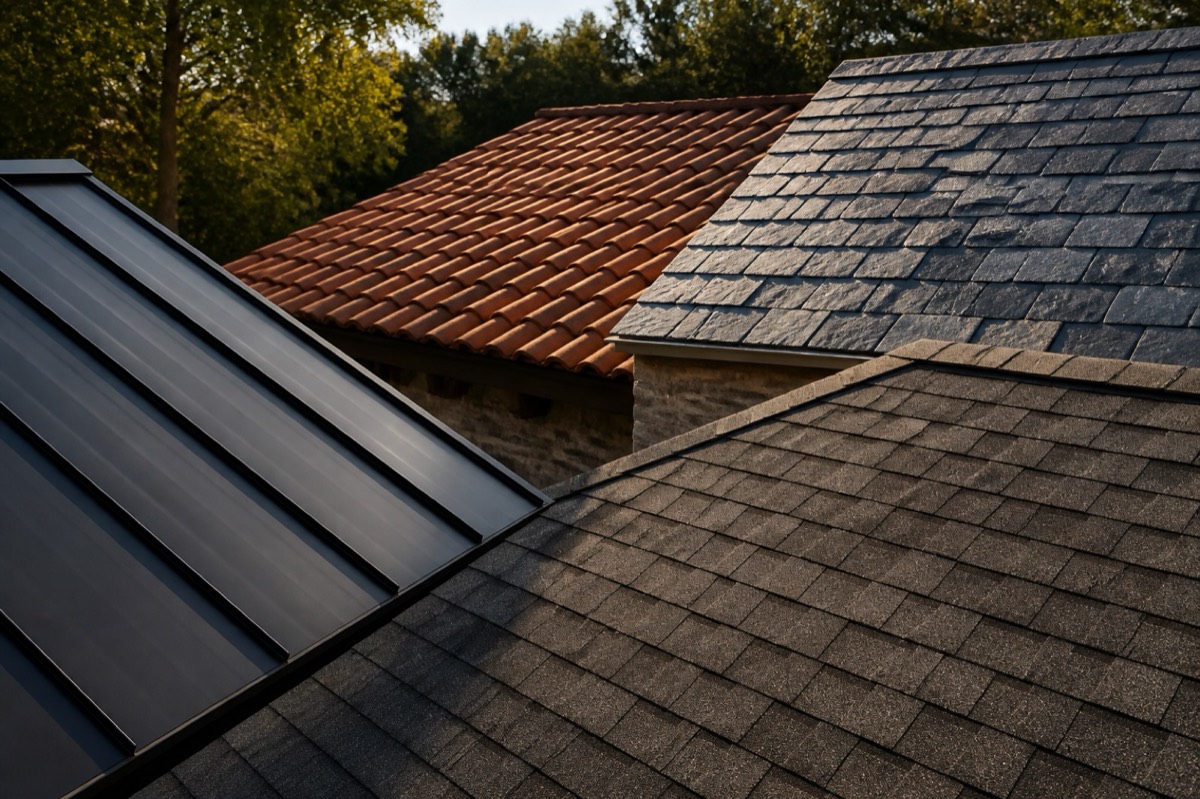
A roof replacement is really a stack of decisions, and the material you pick is only one of them. Tear-off versus overlay, what the decking looks like once the old roof comes up, underlayment and code upgrades, permits and inspections — each of these shapes the final bill as much as the shingle or panel on top. This guide walks the whole project so nothing on the estimate, or the mid-job change order, comes as a surprise.
Why no dollar figures here: we only publish costs we can cite to a named, current source, and no publisher currently reports roof replacement costs at that standard. The factors below tell you what actually drives the quote — and the fastest truth is three local quotes.
What drives the price
- Tear-off versus overlay: tear-off adds labor and disposal but lets the crew inspect and repair the deck; overlay saves money up front and hides whatever is underneath.
- Decking condition: rotted or delaminated sheathing is found only after tear-off, which is why reputable contractors quote a per-sheet replacement rate in writing before work starts — the classic mid-job change order.
- Underlayment and code upgrades: many jurisdictions now require upgraded underlayment, drip edge, or ice-and-water barrier that the old roof predates, and these are not optional line items.
- Material choice cascade: the material class you pick drives the crew's specialty, the fastening system, the underlayment spec, the timeline, and sometimes structural work — it is the decision that sets every other number.
- Permits and inspections: a permitted job with a passed final inspection protects your resale and your insurance claim history; a contractor who suggests skipping the permit is telling you something.
- Roof complexity and access: hips, valleys, dormers, skylights, and steep pitch all multiply labor across every material class.
- Insurance-funded scope: when a claim pays for the roof, the carrier's scope-of-loss document defines what is covered — read it, match the contract to it, and never sign an assignment-of-benefits agreement under door-knock pressure.
Lifespan, weight, and performance
Lifespan: A replacement's lifespan is set by the material class you choose, but also by what happens underneath: rotted decking that gets patched instead of replaced, or underlayment installed against manufacturer spec, can void warranties and shorten the roof's real life. A well-executed replacement should last the full rated life of its material system.
Structural weight: Weight matters most when you change material classes. Moving from asphalt to tile or slate can require a structural evaluation and possible reinforcement; moving to metal rarely does. An overlay — a second layer over the old roof — adds permanent dead load and is restricted by code in many jurisdictions, which is one reason tear-off is the default recommendation.
Weather performance: The replacement itself is a performance event: tear-off exposes and fixes hidden decking damage, while an overlay buries it. New underlayment, drip edge, and flashing details often matter more to leak resistance than the visible material. In wind and hail regions, current code may require fastening schedules and materials your old roof never had — that upgrade is part of the value.
Common questions
- Should I tear off the old roof or lay the new one over it?
- Tear-off is the default for a reason: it exposes decking problems while they're cheap to fix and lets the new system be installed to manufacturer spec. Overlay saves money up front but adds dead load, hides damage, and is limited or prohibited by code in many areas. Treat overlay as an exception your contractor must justify, not a shortcut to accept.
- What is a mid-job change order and how do I protect myself?
- It's the call you get after tear-off reveals rotted decking that must be replaced before work continues. It's often legitimate — nobody can see through shingles — but it's also a known pressure point. Protect yourself by getting the per-sheet decking replacement price in the contract before work starts, and ask for photos of any damage before approving the extra work.
- My insurance is paying for the replacement. What should I watch for?
- Get the carrier's scope-of-loss document and make sure the contractor's agreement matches it line for line. Be wary of anyone asking you to sign an assignment-of-benefits form on your doorstep — it can transfer control of your claim to the contractor. Take the paperwork inside, read it, and involve your adjuster before signing anything.
- How long does a roof replacement actually take?
- For a typical single-family home, the physical work often runs one to a few days for asphalt and longer for tile, slate, or standing-seam metal. The full timeline — permit approval, material lead times, weather windows, and the final inspection — is usually measured in weeks, so plan around the whole process, not just the days a crew is on the roof.
Related guides
Get the free Seasonal Home Maintenance Schedule
Month-by-month checklist for your state — roof, gutters, HVAC and more. Plus license-lapse alerts for contractors you're considering.
We don't sell your email address. See our privacy policy.