Home › Roofing › Cost Guides › Flat & Low-Slope Roof Cost
Flat & Low-Slope Roof Roof Cost: What the Published Data Says
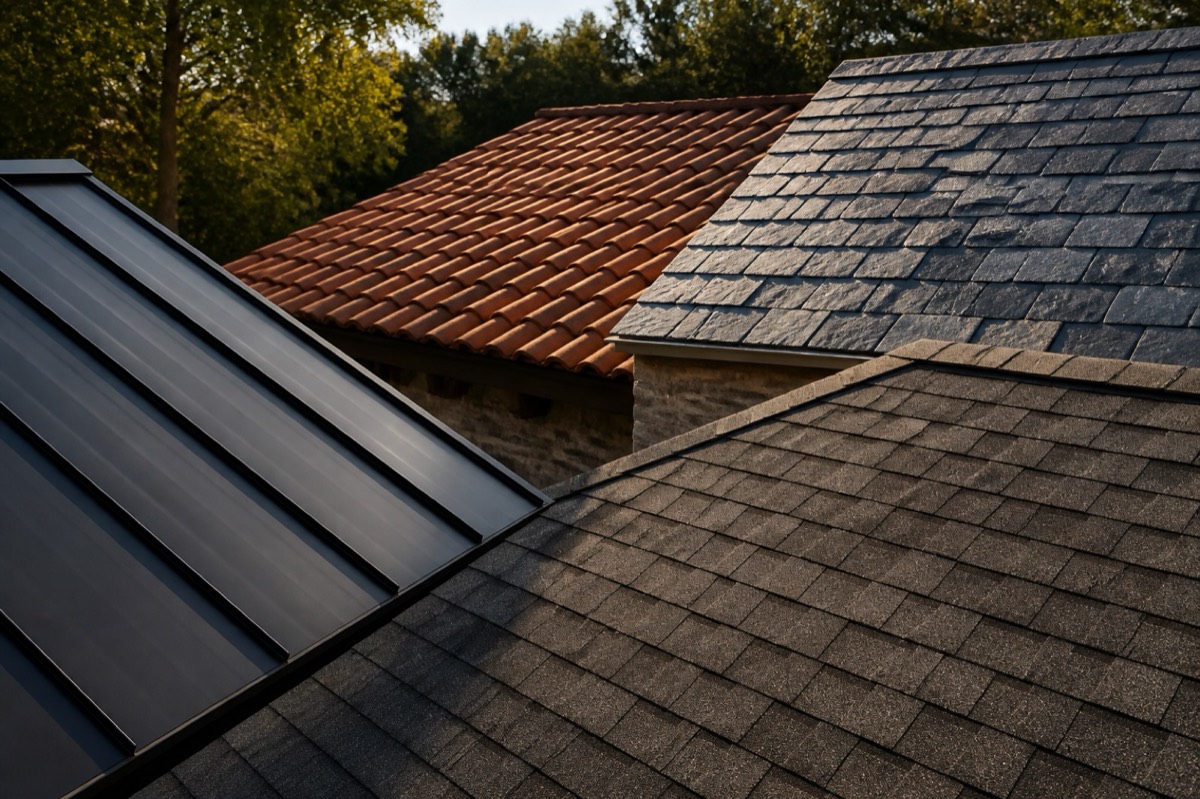
Flat and low-slope roofing is really four different products wearing one name: TPO and EPDM single-ply membranes, modified bitumen, and spray polyurethane foam. Each has its own installers, failure modes, and price tier, so quotes that look far apart are often quoting different systems entirely. The other thing homeowners miss: low-slope work is a distinct trade skill. A crew that shingles pitched roofs all week is not automatically qualified to weld a membrane seam — and the seam is where flat roofs live or die.
Why no dollar figures here: we only publish costs we can cite to a named, current source, and no publisher currently reports flat & low-slope roof costs at that standard. The factors below tell you what actually drives the quote — and the fastest truth is three local quotes.
What drives the price
- System choice: TPO, EPDM, modified bitumen, and SPF foam occupy different price tiers and require different installer skill sets — make every bidder name the system in writing.
- Seam execution: heat-welded TPO seams and adhesive EPDM seams are the make-or-break labor item; ask who on the crew is trained and certified on the membrane being installed.
- Drainage correction: fixing ponding with tapered insulation, crickets, or added drains is often the most valuable line on the quote — and the one low bidders quietly omit.
- Tear-off versus overlay: some codes allow a recover over one existing roof layer; a full tear-off adds labor and disposal but reveals wet insulation and deck rot that an overlay buries.
- Insulation thickness and type: polyiso layers above the deck drive material cost and can trigger energy-code requirements on larger projects.
- Penetrations and edge details: HVAC curbs, pipes, skylights, and parapet walls multiply flashing labor — flat-roof failures cluster at these details, not in the field of the membrane.
- Commercial versus residential quoting: commercial bids often assume larger contiguous areas, staging access, and maintenance contracts; a small residential flat section over a porch or addition carries proportionally higher setup cost per unit of roof.
Lifespan, weight, and performance
Lifespan: Flat-roof lifespan is driven less by the material's rated life and more by seam quality and drainage. A well-welded TPO or well-seamed EPDM roof that drains properly can serve for decades; the same membrane over ponding water and sloppy seams can fail in a fraction of that. Modified bitumen and SPF foam follow the same rule — installation and maintenance rhythm matter more than the brochure number.
Structural weight: Single-ply membranes like TPO and EPDM are lightweight systems, while built-up and multi-layer modified bitumen assemblies add real weight, and SPF foam sits in between. Weight becomes a genuine question on older structures or when adding insulation layers above the deck — that's a structural review for your contractor, not an assumption either way.
Weather performance: The killer on any low-slope roof is ponding water — standing water that hasn't drained within a day or two after rain accelerates membrane aging, finds every seam flaw, and can void manufacturer warranties. Good performance is mostly good drainage: tapered insulation, clear scuppers and drains, and seams executed by someone trained on that specific system.
Common questions
- Why do flat roof quotes vary so much for the same building?
- Usually because bidders are quoting different systems — TPO versus EPDM versus modified bitumen versus foam — or different insulation packages and drainage work. Require every bid to state the membrane, thickness, insulation, and how ponding areas will be corrected, so you're comparing like for like.
- Is ponding water really a big deal if the roof isn't leaking yet?
- Yes. Standing water that lingers after rain ages the membrane faster, stresses every seam, and can void the manufacturer's warranty. A roof that ponds today is a roof that leaks eventually — ask any bidder how they plan to correct drainage, not just cover it.
- Can my regular shingle roofer handle my flat roof section?
- Only if they have genuine low-slope experience. Membrane seaming, flashing details, and drainage design are a distinct skill set, and many manufacturers only warranty installs by trained or certified crews. Ask what low-slope systems they install regularly and whether the manufacturer will stand behind the work.
- What maintenance does a flat roof actually need?
- A rhythm, not heroics: inspect and clear drains, scuppers, and debris twice a year — spring and fall — plus a walk-through after major storms. Catching a lifted seam or clogged drain early is the cheapest repair a flat roof will ever get.
Related guides
Get the free Seasonal Home Maintenance Schedule
Month-by-month checklist for your state — roof, gutters, HVAC and more. Plus license-lapse alerts for contractors you're considering.
We don't sell your email address. See our privacy policy.